
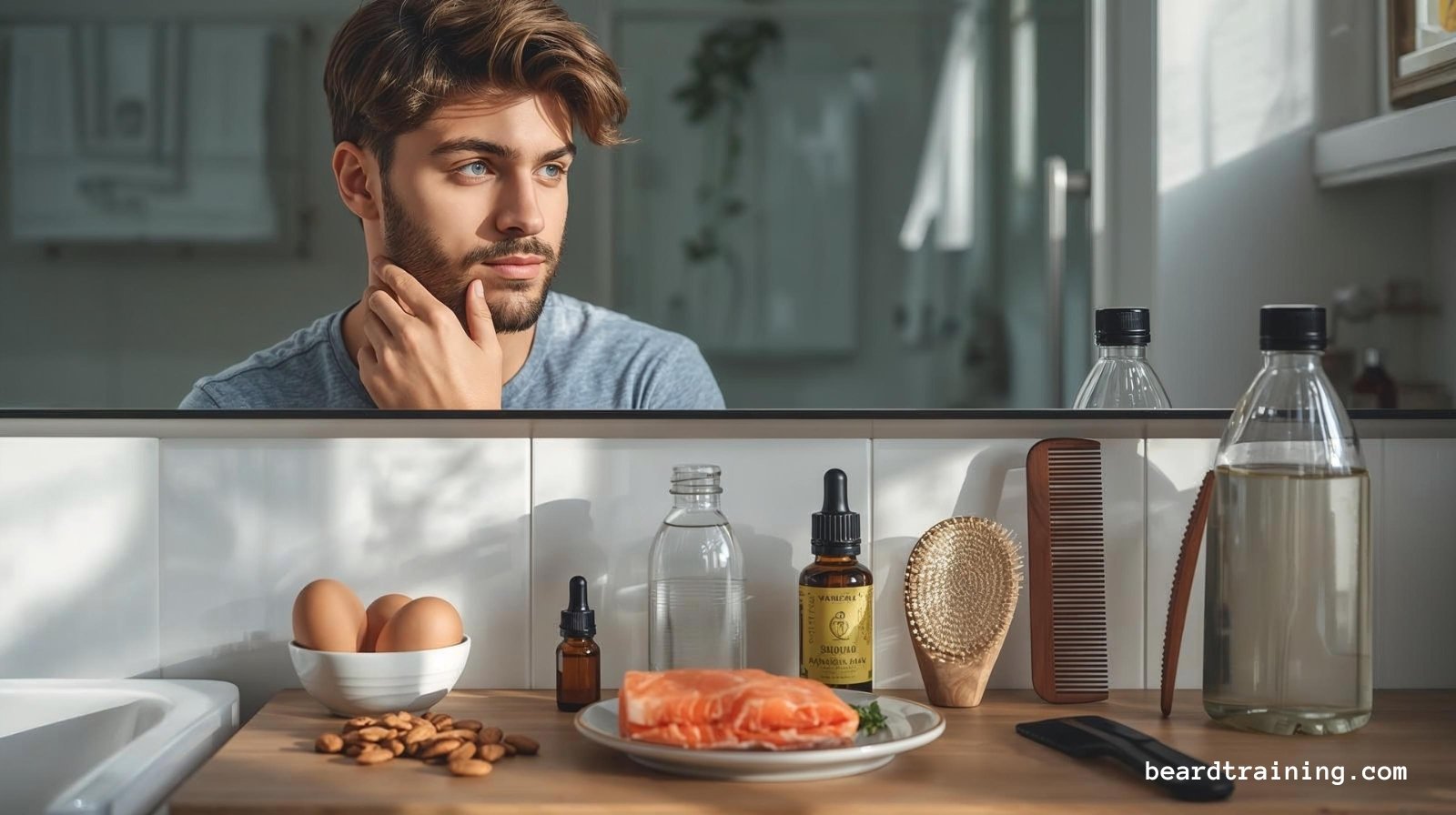
Staring in the mirror, you trace the faint, hopeful lines where you imagine a beard—a symbol of maturity, confidence, and personal style. Yet, for many teenagers, the reflection shows only sparse patches or frustratingly slow growth. You’re not just waiting for hair; you’re waiting for a sign that you’re crossing into manhood. The desire to grow a beard faster isn’t merely about vanity; it’s a deeply personal journey tied to self-image and identity. While genetics and hormones set the stage, feeling powerless isn’t your only option. This guide is your actionable blueprint. We’ll move beyond the myths and quick fixes, diving into the science-backed, natural strategies that create the optimal environment for your facial hair to thrive. Get ready to transform your approach from passive waiting to active nurturing.
Table of Contents
ToggleThe Quick Answer: Can Teenagers Really Grow a Beard Faster?
Yes, teenagers can encourage and optimize beard growth, but it’s crucial to set realistic expectations. You cannot change your genetic potential, but you can 100% ensure your body has everything it needs to reach that potential as quickly as possible. Think of it like a garden: you can’t force a seed to be an oak tree, but you can provide the best soil, water, and sunlight so it grows strong and healthy. The fastest path to a better beard for a teenager involves a trifecta: internal nutrition, external skincare, and hormonal optimization through lifestyle. Forget magic potions; your focus should be on foundational health.

The Biology of Teenage Beard Growth: Understanding Your Starting Point
Before you start any regimen, understand the “why” behind the growth (or lack thereof).
Hormones: The Engine of Facial Hair
During puberty, your body begins producing testosterone, which converts in hair follicles to Dihydrotestosterone (DHT). This DHT is the direct chemical signal that tells facial hair follicles to shift from producing fine, invisible vellus hairs to thick, dark terminal hairs.
-
Expert Insight: Dr. Sandra Lee (aka Dr. Pimple Popper), a board-certified dermatologist, notes, “The density and pattern of your beard are genetically determined by the sensitivity of your follicles to DHT. Some teens have highly sensitive follicles, others less so. This is why growth varies wildly.”
Genetics: Your Personal Blueprint
Look at your father and maternal grandfather. Their beard patterns are your strongest clue. Genetics determine:
-
Follicle Density: How many hair follicles you have on your face.
-
Growth Patterns: Where your beard grows (cheeks, mustache, chin, neck).
-
The “Awakening” Timeline: When your follicles become sensitive to DHT. For some, it’s 16; for others, it’s 25.
The Takeaway: Your job isn’t to fight genetics but to work with them. Nourish the follicles you have.
Pillar 1: Internal Nutrition – Fueling Growth from Within
Your beard is a biomarker of your overall health. What you eat directly impacts hair follicle function.
The Essential Beard-Building Nutrients
Think of these as the raw materials for hair construction.
| Nutrient | Role in Beard Growth | Top Teen-Friendly Food Sources |
|---|---|---|
| Protein | Hair is made of keratin, a protein. Inadequate protein = weak, slow-growing hair. | Eggs, chicken breast, Greek yogurt, lentils, fish, whey protein shakes. |
| Biotin (Vitamin B7) | Crucial for keratin production. Studies show deficiency can lead to hair loss. | Almonds, eggs, salmon, peanuts, sunflower seeds. |
| Zinc | Regulates hormone function (testosterone!) and aids in hair tissue repair. | Beef, pumpkin seeds, chickpeas, cashews, oatmeal. |
| Vitamins A & C | A: Helps produce sebum, your skin’s natural oil. C: A powerful antioxidant that protects follicles. | A: Sweet potatoes, carrots, spinach. C: Citrus fruits, bell peppers, strawberries. |
| Vitamin D | Low levels are linked to alopecia. It helps create new hair follicles. | Sunlight (15 min/day), fortified milk, fatty fish. |
| Iron | Carries oxygen to hair follicles. Deficiency is a common cause of hair thinning. | Lean red meat, spinach, beans, fortified cereals. |
| Omega-3 Fatty Acids | Reduce inflammation that can inhibit growth and keep skin hydrated. | Salmon, walnuts, chia seeds, flaxseeds. |
Practical Tip: “As a teen, my beard was patchy. I started blending a daily smoothie with spinach, banana, peanut butter, Greek yogurt, and a dash of flaxseed. Within months, the patches on my cheeks began to fill in. It wasn’t magic—it was consistent nutrition.” – Alex, BeardTraining Community Member.
Hydration: The Often-Forgotten Factor
Dehydration makes hair brittle and slows cellular processes. Aim for at least 2-3 liters of water daily. Carry a reusable bottle. Your skin and hair will thank you.
Pillar 2: External Care & Grooming – Creating the Perfect Environment
Healthy hair grows from healthy skin. This is where you have immediate control.
The Teen-Specific Beard Care Routine
-
Cleanse (Daily): Wash your face every morning and night with a gentle, sulfate-free facial cleanser. This removes dirt, oil, and dead skin that can clog follicles and cause ingrown hairs.
-
Exfoliate (2x/Week): Use a gentle facial scrub or a soft boar bristle beard brush on dry skin. This removes dead skin cells, increases blood flow, and helps dormant hairs break through.
-
Moisturize & Nourish (Daily): This is critical. Apply a few drops of beard oil or a basic jojoba oil to your face, focusing on the beard area. Even if you only have stubble, this:
-
Hydrates the skin to prevent itchiness and flakes (beardruff).
-
Creates a healthy environment for hair to grow.
-
Softens existing hair.
-
The Truth About Trimming
Myth: Trimming makes your beard grow faster.
Fact: Hair grows from the root, not the tip. However, regular trimming prevents split ends from traveling up the hair shaft and causing breakage, making your beard look fuller and healthier as it grows. Use small scissors to neatly trim stray hairs and define your neckline.
Pillar 3: Lifestyle Optimization – Supporting Your Hormones
Your daily habits are a lever for your hormonal health.
-
Exercise for Growth: Strength training (weightlifting, bodyweight exercises) and high-intensity interval training (HIIT) have been shown to naturally boost testosterone levels. Aim for 30-60 minutes, 3-4 times a week.
-
Sleep is Non-Negotiable: Growth hormone and testosterone are primarily released during deep, restorative sleep. Aim for 8-10 hours per night. This is when your body repairs and builds, including hair follicles.
-
Stress is the Enemy: Chronic stress elevates cortisol, a hormone that can suppress testosterone and disrupt the hair growth cycle. Find your outlet: gaming (in moderation), sports, music, meditation, or time with friends.
Beard Growth Products: What Actually Works for Teens?
Navigating the product aisle can be confusing. Let’s demystify.
| Product | What It Does | Good for Teens? | Recommendation |
|---|---|---|---|
| Beard Oil | Moisturizes skin & conditions hair. Prevents itch & flakes. | YES. The #1 product to start with. Use daily. | Look for simple blends with jojoba, argan, or castor oil. |
| Beard Balm | Offers light hold + conditioning. Tames flyaways. | Maybe, if you have enough length to style. | Hold off until you have 1-2 inches of growth. |
| Biotin Supplements | Supplements the B-vitamin biotin. | Caution. Only beneficial if you have a deficiency. Get nutrients from food first. | Consult a doctor/parent before taking any supplement. |
| Minoxidil (Rogaine) | A topical drug that can stimulate hair growth. | NO. Not recommended for teenagers without direct dermatological supervision. Can have side effects. | Avoid. Focus on natural methods. |
Debunking 5 Damaging Beard Myths for Teens
-
Myth: Shaving makes it grow back thicker.
-
Truth: Shaving cuts hair at its thickest point, creating a blunt tip that feels coarse. It does not affect the number or growth rate of follicles.
-
-
Myth: My beard will look exactly like my dad’s by 18.
-
Truth: Beard development often continues into your late 20s. Patience is not just a virtue; it’s a requirement.
-
-
Myth: Expensive products will make my beard grow overnight.
-
Truth: No product can create follicles that don’t exist. The best products support the health of the skin and hair you already have.
-
-
Myth: I should just leave it alone and not wash it.
-
Truth: Poor hygiene leads to clogged pores, acne, and inflamed follicles—all of which hinder growth. Clean skin is essential.
-
-
Myth: If it’s not growing, nothing will help.
-
Truth: While you can’t force genetics, optimizing nutrition, sleep, and skincare ensures you are growing at your personal best rate.
-
Teen Beard Growth FAQ
Q1: I’m 16 and have almost no facial hair. Is this normal?
A: Absolutely. Full beard development often doesn’t peak until the mid-to-late 20s. Many guys see the most significant changes between ages 18-25. Focus on building healthy habits now.
Q2: What’s the best beard style for a patchy teenage beard?
A: Embrace shorter, defined styles. A goatee (focusing on the chin and mustache) or carefully maintained stubble can look sharp and mask unevenness while the rest fills in.
Q3: How fast does facial hair grow for a teenager?
A: On average, facial hair grows about 0.27 to 0.5 inches per month. Genetics determine your specific rate. Consistency in your care routine supports the maximum speed your body can achieve.
Q4: Can playing sports or working out help my beard grow?
A: Yes! Exercise, particularly strength training, improves blood circulation and can support healthy testosterone levels, both of which create a better environment for hair growth.
Q5: Should I use my dad’s or older brother’s beard products?
A: It’s fine to try, but teen skin can be oilier and more acne-prone. Use lighter oils (like jojoba) and ensure any shared tools (brushes, combs) are kept clean to prevent bacteria transfer.
Q6: When should I consider seeing a doctor about slow beard growth?
A: If you have zero facial hair development by age 18-19 alongside other signs of delayed puberty (e.g., no voice deepening, minimal body hair), it’s reasonable to speak with a doctor or dermatologist to rule out hormonal issues.
Conclusion: Your Journey Starts with Patience and Consistency
Growing a beard as a teenager is a masterclass in patience. It’s a physical manifestation of your transition, and like all important transitions, it can’t be rushed—only supported. Forget the timelines you see on social media. Your journey is uniquely yours.
The path forward is clear: Nourish your body with whole foods, treat your skin with care, move your body, prioritize sleep, and dismiss the myths. This isn’t a 30-day challenge; it’s about adopting a lifestyle that supports your goals and your overall well-being.
Start tonight. Drink an extra glass of water. Get to bed 30 minutes earlier. Wash and moisturize your face. These small, consistent actions compound into real results. Your future, fuller-bearded self is waiting—and he’s rooting for you.

About the Author
Brahim Lazrak
Brahim Lazrak is a men's grooming writer and beard care specialist and the founder of BeardTraining.com. His work focuses on evidence-based beard growth, grooming routines, product testing, and solving common beard problems such as patchy growth, itchiness, and beard dandruff. Through in-depth guides and real-world testing, he helps men understand how facial hair actually grows and how to maintain a healthy, well-styled beard. His content combines dermatology research, barbering knowledge, and practical daily grooming strategies. Brahim’s goal is to simplify beard care and help men make informed grooming decisions instead of relying on myths, trends, or misleading product marketing.