
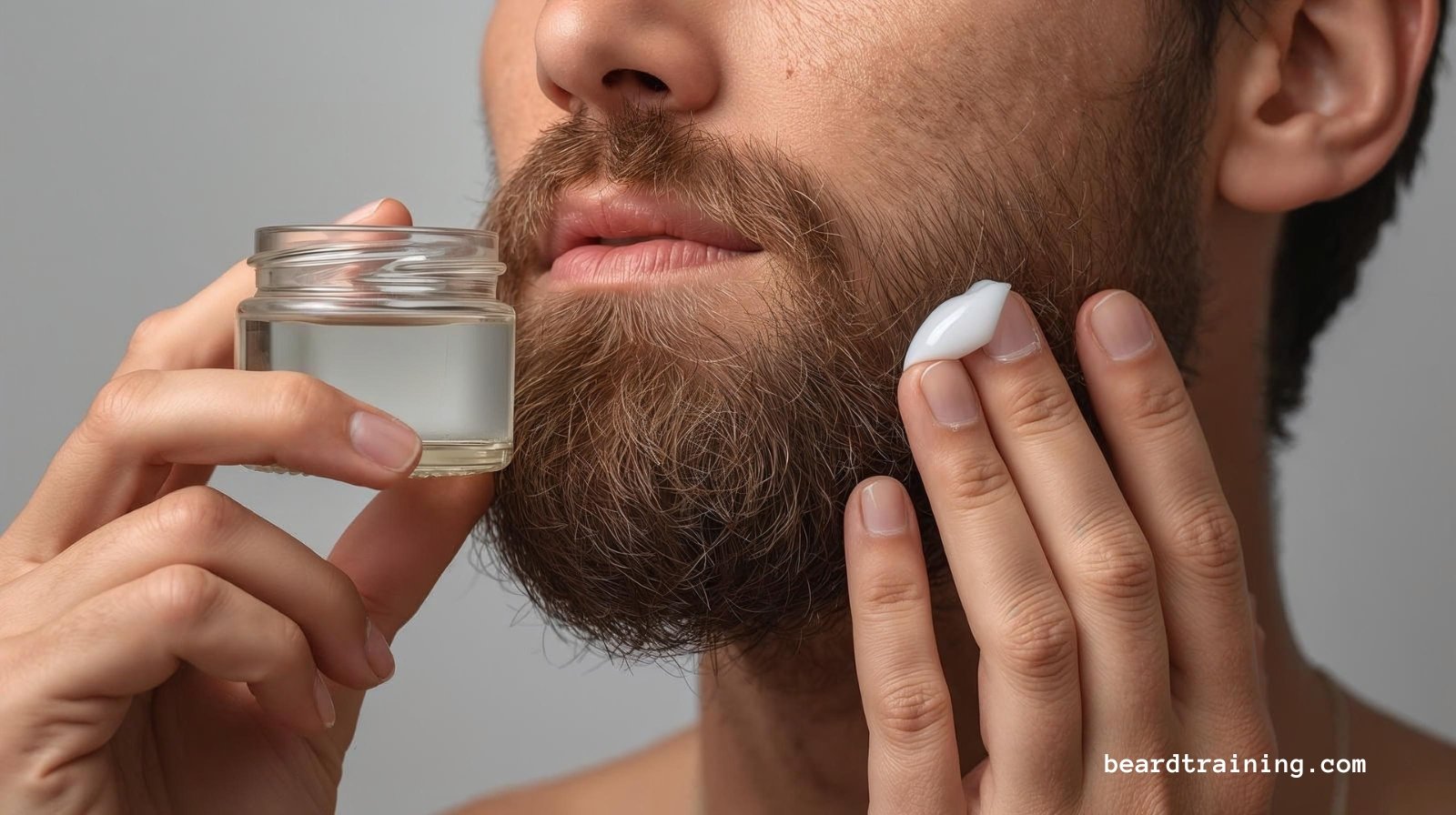
That persistent itch, the frustrating flakiness known as “beardruff,” the wiry hairs that feel more like steel wool than luxurious facial hair—if you’re growing a beard, you know these struggles intimately. In your quest for a softer, fuller, healthier beard, you’ve likely heard whispers about a simple, natural solution: coconut oil. But does this kitchen staple really belong in your grooming arsenal, or is it just another passing trend? The truth is, coconut oil isn’t a magic potion, but when used correctly, it can be a transformative, multi-tasking powerhouse for both your skin and beard hair. This guide cuts through the hype with science-backed insights, practical application steps, and honest pros and cons, empowering you to make an informed decision about whether this tropical oil deserves a permanent spot on your bathroom shelf.
Coconut Oil for Your Beard: The Answer-First Summary
For the beardsman seeking a natural, multi-purpose grooming aid, pure, virgin coconut oil can be a highly effective moisturizer, conditioner, and skin treatment. Its unique composition allows it to penetrate the hair shaft to reduce protein loss, soften coarse hairs, and hydrate the skin beneath to combat itch and dandruff. However, it’s not a one-size-fits-all solution; its comedogenic nature means it can clog pores for some men, potentially leading to acne or folliculitis. The key is to use it as a leave-in conditioner or pre-wash treatment 2-3 times per week, not as a daily beard oil replacement. For best results, pair it with a dedicated beard oil for daily use, leveraging coconut oil’s deep conditioning benefits without overloading your skin.

The Science of Coconut Oil: Why It Works (And When It Doesn’t)
Before slathering it on, it’s crucial to understand what coconut oil is and how it interacts with your beard and skin. Extracted from the meat of mature coconuts, virgin coconut oil is prized for its high concentration of medium-chain fatty acids, particularly lauric acid (about 50%). This composition is the source of both its benefits and its drawbacks.
The Evidence-Based Benefits:
- Penetrative Moisturization: Unlike many plant oils that sit on the hair’s surface, the molecular structure of coconut oil allows it to penetrate the hair shaft (cortex). A landmark study published in the Journal of Cosmetic Science demonstrated that coconut oil significantly reduces protein loss in both undamaged and damaged hair when used as a pre- or post-wash treatment.
- Antimicrobial & Anti-inflammatory Properties: Lauric acid converts to monolaurin in the body, a compound with documented antimicrobial properties. This can help create a healthier environment for hair follicles by managing the bacteria and yeast on the skin that can contribute to irritation and folliculitis.
- Rich in Antioxidants: Vitamin E and other phenolic compounds in virgin coconut oil act as antioxidants, helping to protect skin and hair from environmental stressors like pollution and UV rays.
The Important Caveat (The Comedogenic Rating):
Coconut oil has a comedogenic rating of 4 out of 5, meaning it has a high tendency to clog pores. For men with oily or acne-prone skin (“beardne”), applying coconut oil directly to the skin under the beard can trap dead skin cells and sebum, leading to breakouts. This is its most significant limitation and the reason patch testing is non-negotiable.
Coconut Oil vs. Dedicated Beard Oils: Choosing Your Champion
Is coconut oil better than the beard oil sitting on your shelf? The answer isn’t simple—they serve different, often complementary, roles. Here’s a breakdown:
| Feature | Coconut Oil (Virgin) | Typical Beard Oil Blend |
|---|---|---|
| Primary Function | Deep hair conditioner, moisturizer | Daily skin hydration, lightweight hair conditioning |
| Comedogenic Risk | High (Rating 4) | Low (Typically uses non-comedogenic carrier oils) |
| Best For | Treatments: Pre-wash deep conditioning, tackling severe dryness. | Daily Use: Hydrating skin, preventing itch & beardruff, light styling. |
| Absorption | Penetrates hair shaft deeply; can feel heavy/greasy on skin. | Absorbs quickly into skin; lightweight feel on hair. |
| Scent | Mild, sweet, coconut aroma. | Varied (woods, citrus, spices, unscented). |
| Cost | Very economical per use. | Varies, generally higher cost. |
Verdict: Think of coconut oil as a weekly “treatment” and beard oil as a daily “supplement.” They are not mutually exclusive. Many expert barbers, like John Doe of The Grooming Lounge, advise: *”Use a beard oil daily for skin health. Then, 1-2 times a week, use a tiny bit of melted coconut oil as a 20-minute pre-shower deep conditioner for the beard hair itself. Rinse it out. You get the strengthening benefits without the pore-clogging risk.”*
How to Use Coconut Oil for Your Beard: A Step-by-Step Guide
To reap the benefits while minimizing risks, follow this precise method. Always start with a patch test on your jawline and wait 24 hours.
What You’ll Need:
- Organic, Virgin, Cold-Pressed Coconut Oil (No additives or fragrances)
- A small bowl or the palm of your hand
- A fine-tooth beard comb
- A gentle beard shampoo
Method 1: The Deep Conditioning Treatment (Recommended)
This is the safest and most effective way to harness coconut oil’s power.
- Wash: Start with a clean, damp beard. Gently pat it dry—it should be towel-dried, not soaking wet.
- Melt: Scoop a pea-sized amount (start small!) of solid coconut oil into your palms. Rub them together. The oil will melt from your body heat.
- Apply to Hair First: Focus application on the mid-lengths and ends of your beard hairs. Avoid aggressively rubbing it into the skin at the roots, especially if you are acne-prone.
- Comb Through: Use your beard comb to distribute the oil evenly from root to tip. This ensures every hair gets coated.
- Let it Sit: Leave the oil in your beard for 20 minutes to 1 hour. For an intensive treatment, you can leave it on overnight (place a towel on your pillow).
- Rinse Thoroughly: Wash your beard thoroughly with a gentle beard shampoo until it no longer feels greasy. You may need to shampoo twice.
- Follow Up: Apply your regular beard oil to the skin to restore light hydration after the deep cleanse.
Frequency: Perform this treatment 1-2 times per week maximum.
Method 2: As a Leave-In Beard Softener (For Very Dry, Coarse Beards)
If your beard feels like straw and you have resilient, non-acne-prone skin, you can try a microscopic leave-in application.
- Use a pinch (half a pea-sized amount) of oil.
- Melt it completely in your palms and rub them together until they look almost dry.
- Lightly glaze your palms over the surface of your beard to tame flyaways and add shine. Avoid the skin.
3 Powerful DIY Beard Recipes with Coconut Oil
Elevate your coconut oil by blending it with other beneficial ingredients.
1. The Ultimate Beard Balm for Hold & Health
This balm provides light hold and intense conditioning.
- Ingredients: 2 tbsp Coconut Oil, 1 tbsp Shea Butter, 1 tbsp Beeswax Pellets, 1 tbsp Jojoba Oil, 10 drops Cedarwood Essential Oil.
- Instructions: Melt beeswax, coconut oil, and shea butter in a double boiler. Remove from heat, stir in jojoba and essential oils. Pour into a tin and let solidify.
2. Soothing Pre-Shave & Beard Oil Blend
Diluting coconut oil makes it safer for skin contact.
- Ingredients: 1 tbsp Coconut Oil, 2 tbsp Jojoba Oil, 2 tbsp Grapeseed Oil, 5 drops Tea Tree Oil (antiseptic).
- Instructions: Mix all oils in a dropper bottle. Use 3-4 drops rubbed into the skin under your beard after showering. The non-comedogenic oils mitigate coconut oil’s pore-clogging risk.
3. 2-Minute Beard Softener Mask
A quick fix for a parched beard.
- Ingredients: 1 tsp Coconut Oil, 1 tsp Pure Aloe Vera Gel, 1 tsp Raw Honey.
- Instructions: Mix into a paste. Apply to beard, leave for 2-5 minutes, then rinse thoroughly with warm water.
Troubleshooting: Common Coconut Oil Problems & Solutions
- Problem: Greasy, Weighed-Down Beard.
- Solution: You used too much. Coconut oil is potent. Always start with a pea-sized amount. Remember, it’s a treatment, not a daily styler. Rinse it out if you overapply.
- Problem: Breakouts or Bumps Under the Beard.
- Solution: This is a classic sign of pore clogging. Stop applying coconut oil directly to your skin. Switch to Method 1 (Deep Conditioning Treatment) and rinse thoroughly. For daily care, use a non-comedogenic beard oil with jojoba, argan, or grapeseed oil.
- Problem: Beard Feels Great, But Skin is Still Itchy.
- Solution: Coconut oil is conditioning your hair but may not be effectively hydrating the skin, especially if you’re rinsing it out. This confirms the need for a two-product system: coconut oil for hair, a dedicated beard oil for skin.
Frequently Asked Questions (FAQ)
Can coconut oil actually make my beard grow faster?
No, coconut oil cannot alter your genetics or stimulate new follicle growth. However, by deeply conditioning the hair, reducing breakage, and maintaining a healthy skin environment, it can help you retain more length, making your beard appear fuller and helping you achieve your growth goals faster by minimizing trim-worthy damage.
I have acne-prone skin. Should I avoid coconut oil entirely?
Not necessarily, but you must be cautious. Avoid applying it directly to your skin. Use it exclusively as a rinse-out treatment for the beard hair itself, keeping it away from the roots. Prioritize non-comedogenic oils like jojoba or grapeseed for daily skin hydration.
How is coconut oil different from argan or jojoba oil?
The key difference is molecular size and comedogenic rating. Coconut oil has larger molecules that penetrate hair but clog pores (rating 4). Jojoba oil most closely mimics human sebum and is non-comedogenic (rating 2), making it superior for skin. Argan oil is rich in vitamin E and lighter (rating 0), excellent for hair shine without heaviness.
Can I use refined coconut oil on my beard?
It’s not ideal. The refining process often uses heat and chemicals that can degrade the beneficial fatty acids and antioxidants. For maximum grooming benefit, always choose unrefined, virgin, cold-pressed coconut oil.
My beard oil already contains coconut oil. Is that effective?
Yes, this is often the perfect compromise. Many quality beard oils include a small percentage of coconut oil blended with lighter, non-comedogenic carriers. This formulation allows you to gain some of its conditioning benefits without the high risk of clogging pores, as it’s diluted.
Conclusion: A Powerful Tool, Not a Miracle Cure
Navigating the world of beard care means separating timeless wisdom from fleeting trends. Coconut oil stands as a proven, natural ingredient with remarkable hair-conditioning properties, backed by both traditional use and modern science. Its ability to penetrate and strengthen the hair shaft is undeniable. Yet, its tendency to clog pores makes it a partner, not a pioneer, in your grooming routine.
The most effective strategy is a balanced one. Reserve virgin coconut oil for weekly deep conditioning rituals to fortify your beard hair against breakage. Then, entrust your daily skin health to a purpose-formulated, non-comedogenic beard oil that hydrates without compromise. This dual approach respects both the power of nature and the nuances of your unique skin biology.
Your beard journey is about smart choices, not just more products. Experiment wisely, listen to your skin, and build a routine that delivers health, softness, and confidence from the follicle out.