
Have You Ever Considered Using Henna Hair Dye for Your Beard?
We often talk about hair dyeing and the myriad products available for the luscious strands atop our heads, but what about our beards? Have you ever paused to consider why henna hair dye might be the perfect choice for your beard? Let’s embark on this journey together to uncover the natural, vibrant world of henna and its benefits for facial hair.
What is Henna?
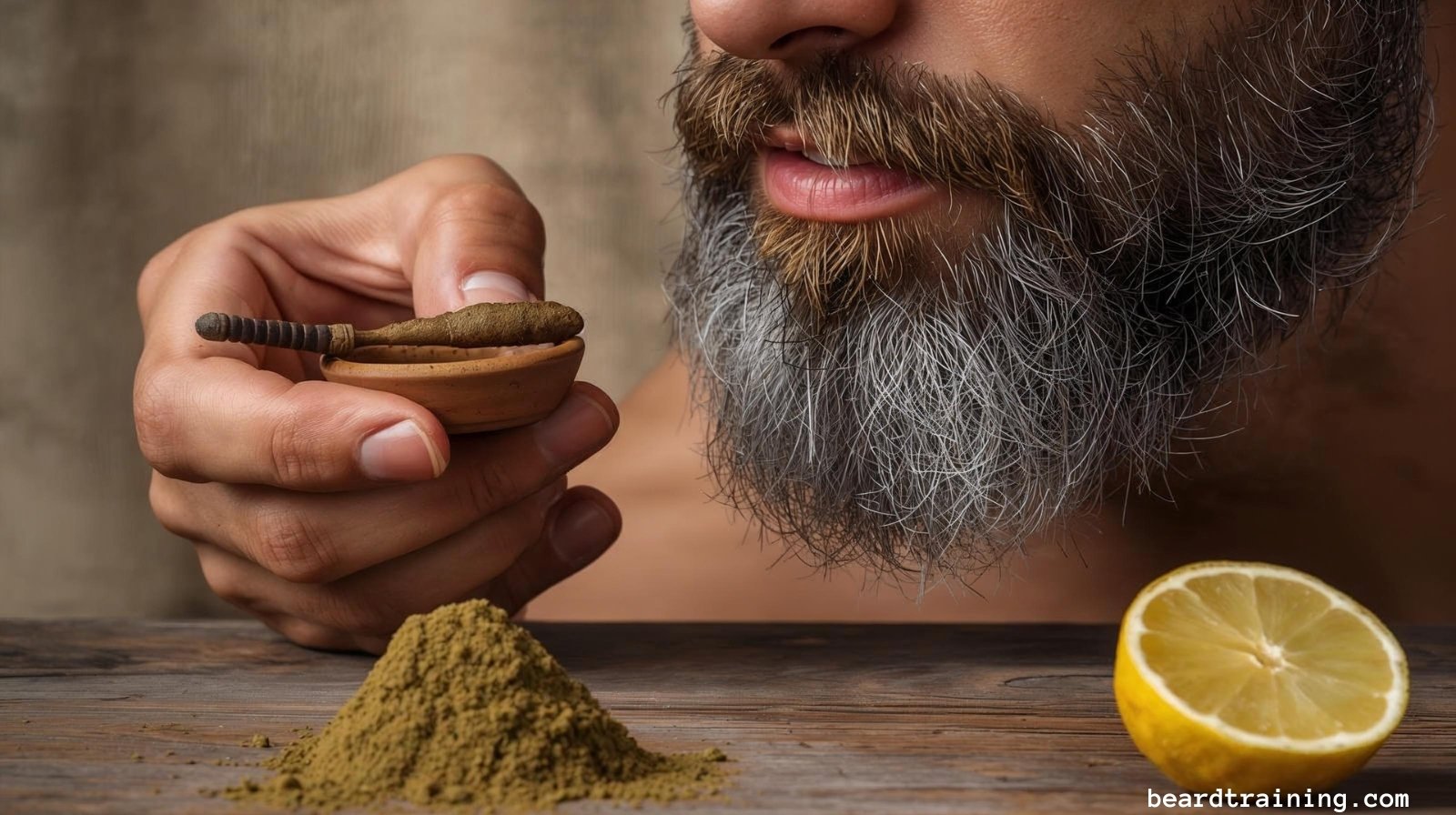
First, let’s discuss what henna actually is. Henna is a natural plant-based dye derived from the leaves of the henna plant, scientifically known as Lawsonia inermis. These leaves are dried and crushed into a fine powder, which can be mixed with water to create a dye that’s been used for thousands of years across various cultures. It’s renowned for its deep, rich color and its ability to provide a natural tint that’s free from artificial chemicals.
Why Choose Henna for Your Beard?
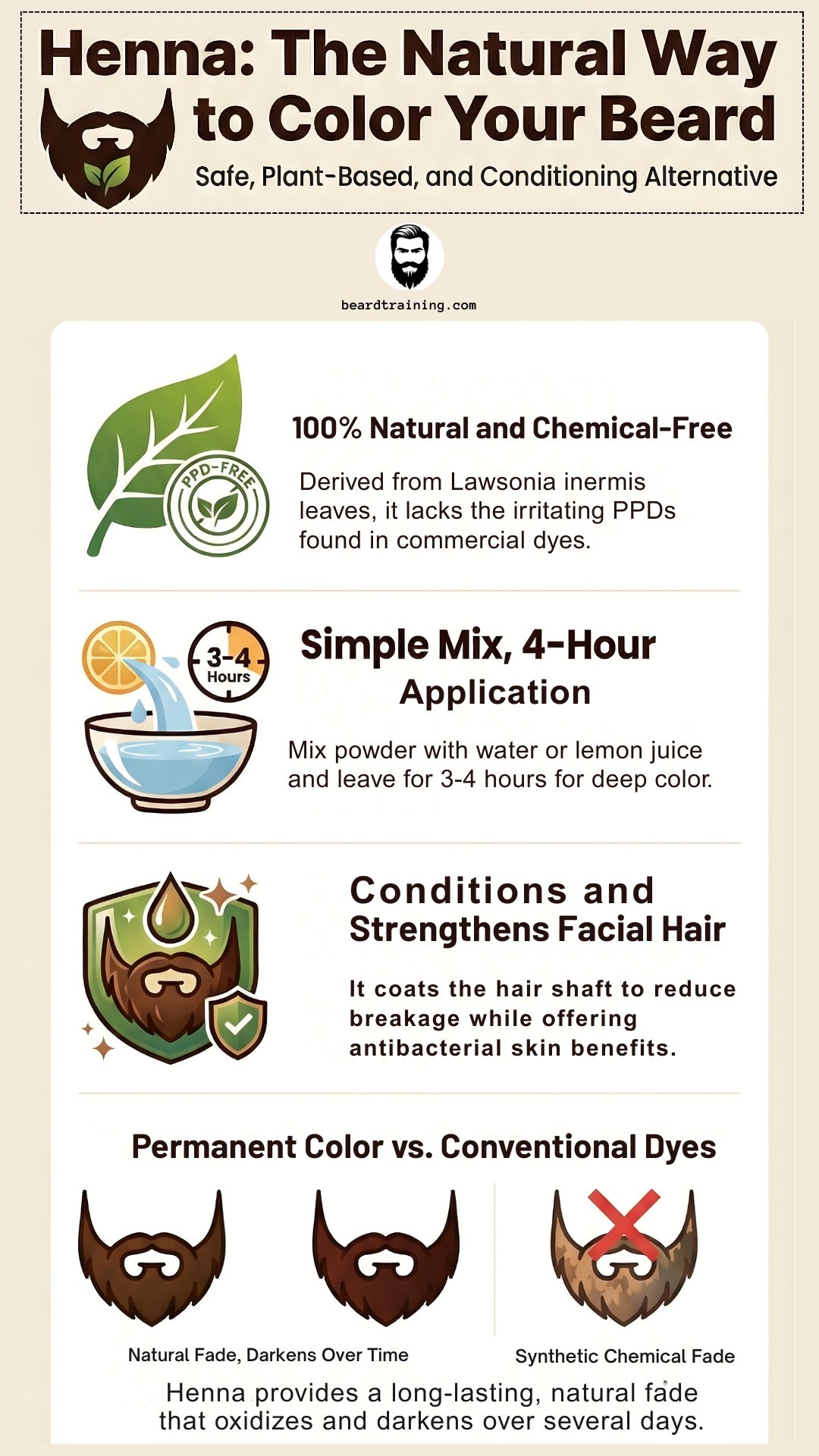
There are numerous reasons we might choose to use henna as our go-to beard dye. The most appealing factor is perhaps its natural composition. Unlike commercial hair dyes, which are often laden with chemicals and can cause irritation or allergic reactions, henna is a natural product that’s less likely to cause adverse effects. Additionally, henna conditions and strengthens the hair, providing not only color but also nourishment.
How Does Henna Benefit Our Beards?
Henna doesn’t just color our beards; it also offers several other benefits. Since it is a natural product, it conditions our beard hair, leaving it softer and shinier. The henna coating helps to protect the hair shaft from damage, reducing split ends and breakage. Furthermore, henna is believed to have antifungal and antibacterial properties, which can contribute to a healthier beard and skin by reducing dandruff and other scalp-related concerns around the beard area.
Ensuring the Best Henna Mix for Your Beard
To maximize these benefits, we need to ensure we are using the right mix for our beard. A simple henna mixture involves combining henna powder with water or lemon juice to form a paste. Some people like to add other natural ingredients, like tea, coffee, or essential oils, to enhance color or aroma. Let’s breakdown a basic henna application process:
| Component | Quantity | Notes |
|---|---|---|
| Henna Powder | 100g | Adjust quantity based on beard size |
| Lemon Juice/Water | Enough to make a paste | Provides acidity for color release |
| Optional Add-ins | A few drops or tsp | Essential oils like lavender for scent; coffee for deeper color |
Preparing Our Beard for Henna Application
Before applying henna to our beard, it’s crucial that we prepare properly to ensure the best results. Firstly, we should clean our beard thoroughly using a gentle, sulfate-free shampoo. This removes any oil, dirt, or styling products that might interfere with the dyeing process. We might also consider exfoliating the skin beneath to remove dead skin cells and stimulate circulation.
Applying Henna to Our Beard
Applying henna can be a straightforward, fun process similar to an art project. Once we’ve mixed our henna paste, we can use gloves to prevent staining our hands and apply the paste generously to our beard. A small brush or applicator can help in distributing the paste evenly. It’s important to cover all areas for an even color result. Once applied, leave the henna on for a few hours. Covering the beard with plastic wrap can prevent the henna from drying out and maintain warmth, which helps in color penetration.
The Waiting Game: How Long to Keep Henna On
One of the key aspects of using henna is patience. The paste needs a significant amount of time to impart color effectively. Generally, we might want to leave it on for at least three to four hours. For some, an overnight application could yield stronger color, though overnight treatments should be handled with care to prevent staining of sheets and other materials.
Rinsing Off the Henna Paste
After patiently waiting, it’s time to rinse out the henna paste. We should use cool water to gently wash our beard until all the paste has been removed. Initially, our beard might look more vibrant than expected. However, henna oxidizes over time, meaning the color will become richer and darker over the next few days.
Post-Henna Application Care
To maintain the color and health of our beard, some aftercare will be beneficial. Moisturize with a natural oil, such as jojoba or argan oil, to keep our beard soft and hydrated. Avoid using harsh shampoos for a few days to allow the color to set in fully. Continuous moisturizing and gentle treatments will help maintain the henna color for a longer period.
Potential Drawbacks and Considerations
While henna is a fantastic option for many, it may not be suitable for everyone. Its natural characteristics mean the color results can vary depending on our natural hair color. Those with very dark hair might only notice a subtle change, while lighter beards could show a more vibrant effect. Additionally, henna is a permanent dye and might not easily wash out, so we should be prepared for a long-term color.
Comparing Henna to Conventional Beard Dyes
Let’s contrast henna with conventional dyes:
| Feature | Henna Dye | Conventional Dye |
|---|---|---|
| Composition | 100% Natural, plant-based | Chemical-based, may contain PPDs and others |
| Potential Reactions | Low risk, unless allergic to nature-derived substances | Higher risk for allergies and skin sensitivity |
| Color Results | Natural reds/oranges; varies based on hair color | Wide range of colors including unnatural ones |
| Duration & Maintenance | Long-lasting natural fade | May require frequent re-application |
Tips and Tricks for the Best Henna Application
As with any hair treatment, there are tips and tricks that can enhance our henna hair dye experience. Some might find that a strand test helps to determine the best time to leave the dye on for desired results. Additionally, using high-quality henna from a reputable source ensures the purity and efficacy of the product. Mixing henna with acidic components like lemon juice beforehand and letting it rest for a while can intensify the coloring power.
Personalizing Your Henna Beard Dye
Since henna has room for variations, personalizing the color to meet our preferences can be exciting. By altering the mixture ratios or adding natural additives such as beetroot juice or hibiscus powder, we can experiment to achieve unique shades or tones. Some may even combine henna with indigo for darker color results.
Our Experience with Henna: Real-Life Applications
As part of a community of beard enthusiasts, many have tried and tested henna dyes on their own beards. Reports commonly highlight the natural feel, enhanced shine, and unwavering love for a chemical-free dyeing alternative. By discussing with peers and friends, we can gather various tips and secrets that only amplify the value of henna in our beard care arsenal.
Concluding Thoughts on Henna for Beards
Overall, as we reflect on this journey of henna hair dye suitable for beards, the overarching theme is natural beauty safely achieved. With no shortage of options on the market, choosing henna offers a conscious decision toward a gentle, earth-friendly product. Understanding the entire process, from mixing to aftercare, will ensure we maximize the benefits for our facial hair. Through experience and collective wisdom, we gain deeper insight into the unique world of henna and its undeniable benefits for a fuller, more vibrant beard.