
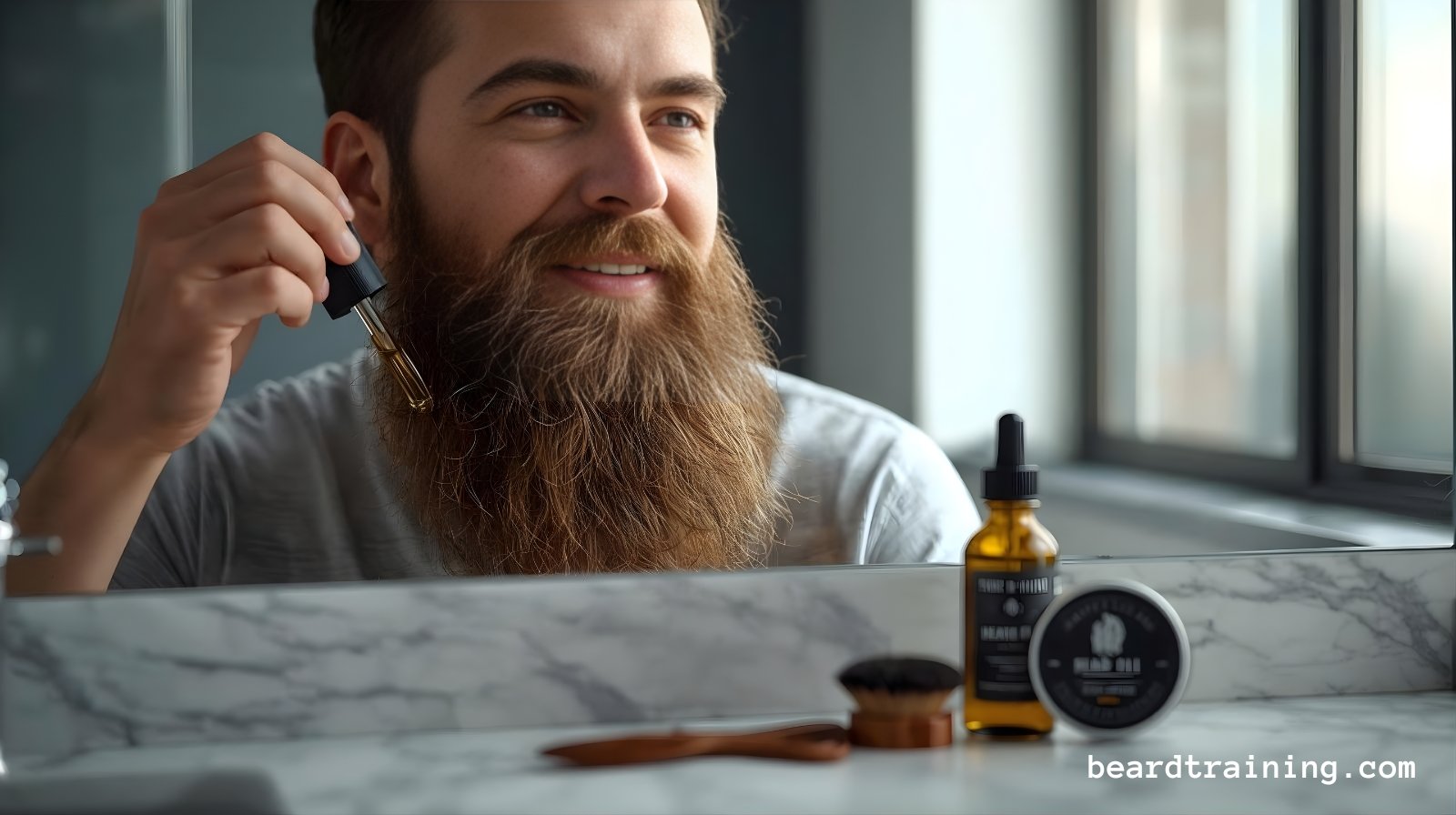
Have you ever looked in the mirror and envisioned yourself with a majestic, flowing beard, a symbol of patience and personal style, only to be met with patchy growth, frustrating itchiness, or a seeming growth plateau? You’re not alone. The quest for a long beard is a common aspiration among men, representing more than just facial hair—it’s a statement of character, a commitment to grooming, and for many, a journey of self-discovery. Growing a long, healthy beard isn’t about passive neglect; it’s an active process of nurturing, understanding your biology, and mastering a consistent care ritual. This comprehensive guide goes beyond the basics, blending the science of hair growth with the art of grooming to provide you with a clear, actionable roadmap. Whether you’re a first-time grower battling the initial itch or a seasoned beard veteran aiming for your first “yeard,” we’ll demystify the process, debunk common myths, and equip you with the knowledge to cultivate the impressive, healthy beard you desire.
Understanding Beard Growth
Before we embark on the journey to grow a longer beard, it’s crucial to understand the underlying biology of facial hair growth. Our beards grow based on individual genetics, hormonal balance, age, and overall health. The rate at which our facial hair grows and its ultimate length and thickness largely depend on these factors.
Genetics and Beard Growth
Genetics plays a pivotal role in determining how our beards will grow. If our family has a history of full, thick beards, chances are we will see a similar pattern. However, if sparse or patchy facial hair is common, our beard might also reflect that. While we can’t change our genetics, we can optimize the other factors influencing beard growth.
Hormones and Their Impact
Testosterone and dihydrotestosterone (DHT) significantly affect facial hair growth. Higher levels of these hormones generally promote thicker and faster-growing beards. Our hormones fluctuate naturally, but maintaining a healthy lifestyle can help balance these levels and support better beard growth.
Age and Growth Patterns
Typically, facial hair starts to become prominent during puberty. However, for some, a fuller beard might not develop until the late twenties or early thirties. Patience is key, as our growth patterns can change over time, allowing for increasingly fuller beards with age.
Fostering Healthy Beard Growth
Once we grasp the basics of beard growth, the next step is fostering the healthiest environment for our beards to thrive. This involves proper skincare, a balanced diet, and mental and physical well-being.
Skin Care for Bearded Faces
Healthy skin is fundamental to a healthy beard. Regular cleansing helps prevent clogged pores and ingrown hairs. Exfoliating a couple of times a week removes dead skin cells, promoting better hair growth. Moisturizing is crucial, as well, maintaining both skin and hair hydration.
Nutrition and Hydration
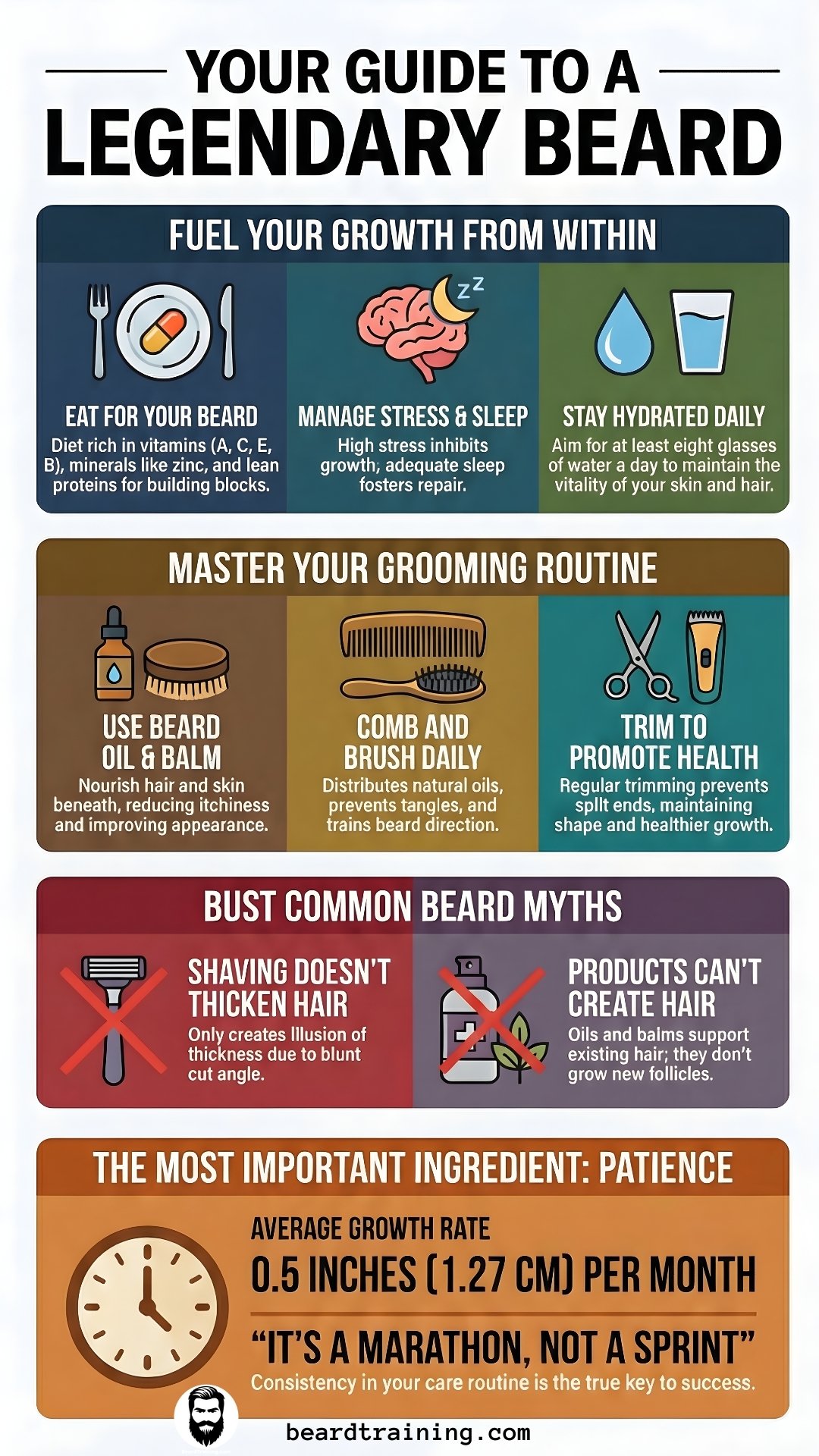
Our diet directly impacts hair health. Foods rich in vitamins A, C, E, and B, along with minerals like zinc and biotin, support hair growth. Incorporating fruits, vegetables, lean proteins, and whole grains can bolster beard growth. Staying hydrated helps maintain hair vitality, so aiming for at least eight glasses of water a day is beneficial.
Stress Management and Sleep
Stress can negatively affect our hormone levels, inhibiting beard growth. Engaging in activities like exercise, meditation, and hobbies helps manage stress. Similarly, sufficient sleep is paramount, as it is during rest that our bodies repair and regenerate, fostering optimal growth.
Effective Beard Grooming Practices
Grooming practices not only help maintain our beard’s shape but can also encourage growth. Regular trimming, strategic product use, and effective styling cultivate a welcoming environment for our beard to flourish.
Regular Trimming
While it might seem counterintuitive, regular trimming helps maintain our beard’s shape and prevent split ends. Trimming away damaged or split ends promotes healthier growth over time.
Use of Beard Oils and Balms
These products are designed to nourish both our beard and the skin beneath. Beard oils and balms contain essential oils and conditioners that keep hair soft, reduce itchiness, and improve overall appearance.
Combing and Brushing
Combing or brushing our beard daily distributes natural oils, loosens knots, and aligns hair to promote a fuller appearance. It can also train our beard to grow in the desired direction, minimizing tangles.
Different Beard Styles to Consider
Not all of us desire the same look, and choosing a style that complements our facial structure and personal taste is vital. Here’s a look at some popular long beard styles:
| Style | Description |
|---|---|
| Full Beard | A classic style, allowing natural growth |
| Verdi | A rounded, well-groomed full beard with mustache styling |
| Garibaldi | A wide, rounded natural beard ending at mid-chest |
| Ducktail | Tapered, pointed beard resembling a duck’s tail |
| Yeard | Growth of a beard untrimmed for a full year |
Choosing the Right Style
When deciding on a beard style, consider face shape and lifestyle. Some styles may require more maintenance than others. Consulting a professional barber can provide guidance and help achieve an ideal look.
Common Challenges and Solutions in Beard Growth
Navigating the challenges of beard growth can be frustrating, but understanding common issues and their solutions fosters perseverance and success.
Patchiness
Many of us struggle with patchy growth. Patience is crucial, as patches can fill in over time. Styling tricks, like utilizing longer areas to cover sparse spots, can help. Consistent grooming and a nourishing beard care routine also assist in minimizing this issue.
Itchiness
Early growth stages can induce itchiness. Staying moisturized with beard oil or balm alleviates discomfort. As our beard lengthens, keeping skin hydrated lessens irritation.
Slow Growth
If our beard seems to grow slowly, reviewing our diet, hygiene, and hormonal health might reveal underlying issues. Sometimes, all we need is a bit more time, allowing us to see significant progress.
Beard Myths Debunked
Many myths surround the art of growing a beard. Distinguishing fact from fiction helps us focus on what truly matters in fostering healthy growth.
Shaving Makes It Grow Back Thicker
Contrary to popular belief, shaving does not affect the thickness of our beard. It can give the illusion of thickness as shaved hair appears blunt, but actual growth depends on genetics and hormonal factors.
Beard Products Will Magically Grow Beards
While beard oils and balms support health and appearance, they do not create hair growth from scratch. Their function is more about sustaining and enriching already-present hair.
All Beards Stop Growing After a Certain Length
Beards do have a terminal length, varying from person to person. However, with the right nourishment and care, many of us may never hit that natural stopping point, continuing to grow as long as we maintain health and hygiene.
Consistency and Patience: Keys to Success
Growing a long and glorious beard takes time, perseverance, and a bit of trial and error. Staying consistent with our grooming and care routine fosters the best results. Patience is not merely a virtue but a necessity in this journey, as progress may be slow but rewarding.
Creating a Personal Beard Care Routine
Customize a beard care regimen that incorporates regular cleansing, moisturizing, and grooming practices. Consistency is vital; habitual care leads to healthier growth and a more polished look.
Celebrating Milestones
Acknowledging our growth milestones, no matter how small, helps maintain motivation. Whether reaching a new length or receiving a compliment, these victories contribute to a satisfying beard-growing experience.
In conclusion, growing a long beard is as much about the journey as the destination. It reflects our personal style and commitment to personal care. By understanding the fundamentals of facial hair growth, fostering a healthy environment, grooming effectively, and maintaining patience, we can successfully cultivate the full, long beard we’ve always desired, celebrating every step along the way.
Long Beard FAQ
Q1: How fast does the average beard grow?
A: Approximately 0.5 inches (1.27 cm) per month. Growth is not continuous; each hair cycles through growth, rest, and shedding phases.
Q2: Which beard style suits a round face?
A: Opt for styles that add length and definition. A Ducktail or a longer, squared-off beard can help elongate the face. Avoid wide, round styles like the Garibaldi.
Q3: Can exercise and diet really affect my beard?
A: Absolutely. Exercise improves blood circulation, delivering more nutrients to follicles. A diet rich in vitamins, minerals, and protein provides the essential building blocks for hair.
Q4: How do I deal with beard tangles and knots?
A: Always comb from the tips upward to gently work out knots, not from the root down which can pull and break hair. Use a wide-tooth comb or a dedicated beard comb on a conditioned beard.
Q5: Is there any scientific proof for beard growth supplements?
A: Supplements can only help if you have a deficiency in key nutrients like biotin or zinc. For men with a balanced diet, their impact may be minimal. Consult a doctor before starting any supplement regimen.
Conclusion: Your Journey to a Legendary Beard Begins Today
Growing a long beard is a marathon, not a sprint. It’s a practice in patience, self-care, and consistency. The transformation isn’t just in the mirror; it’s in the daily ritual, the learned discipline, and the confidence that comes from mastering a part of your appearance. You now have the blueprint: tend to your skin, fuel your body, groom with purpose, and choose your tools wisely. Remember, every great beard you’ve ever admired started exactly where yours is right now.
Stop wondering and start growing. Embrace the journey, celebrate the monthly milestones, and trust the process. Your perfect, long beard isn’t just a possibility—it’s the inevitable result of applying the knowledge you now hold.