

At 16, growing a beard can feel like waiting for a “level-up” that everyone else seems to unlock first. You might see friends with visible stubble while your cheeks are still patchy—or totally smooth—and it can mess with your confidence. The truth is, facial hair is deeply personal: it’s tied to hormones, genetics, and timing, not “willpower.” The good news is you can support healthier growth naturally by improving the environment your follicles live in—your skin, your nutrition, your sleep, and your daily habits. In this guide, you’ll learn what actually helps, what’s a myth, and a practical routine you can stick to without doing anything risky.
The quick answer (what actually helps at 16)
If you want to grow a beard faster at 16, focus on what you can control:
-
Be patient with puberty timing (many guys don’t get “real beard growth” until late teens or early 20s).
-
Eat for follicles (protein + zinc + vitamin D + healthy fats).
-
Sleep 7–9 hours consistently to support normal hormone rhythms.
-
Keep skin clean, exfoliated (gently), and moisturized so follicles aren’t blocked or irritated.
-
Use beard oil only to reduce itch/dryness—not because it “creates new hair.”
-
Avoid gimmicks that promise instant growth.
That’s the foundation. Now let’s make it practical.
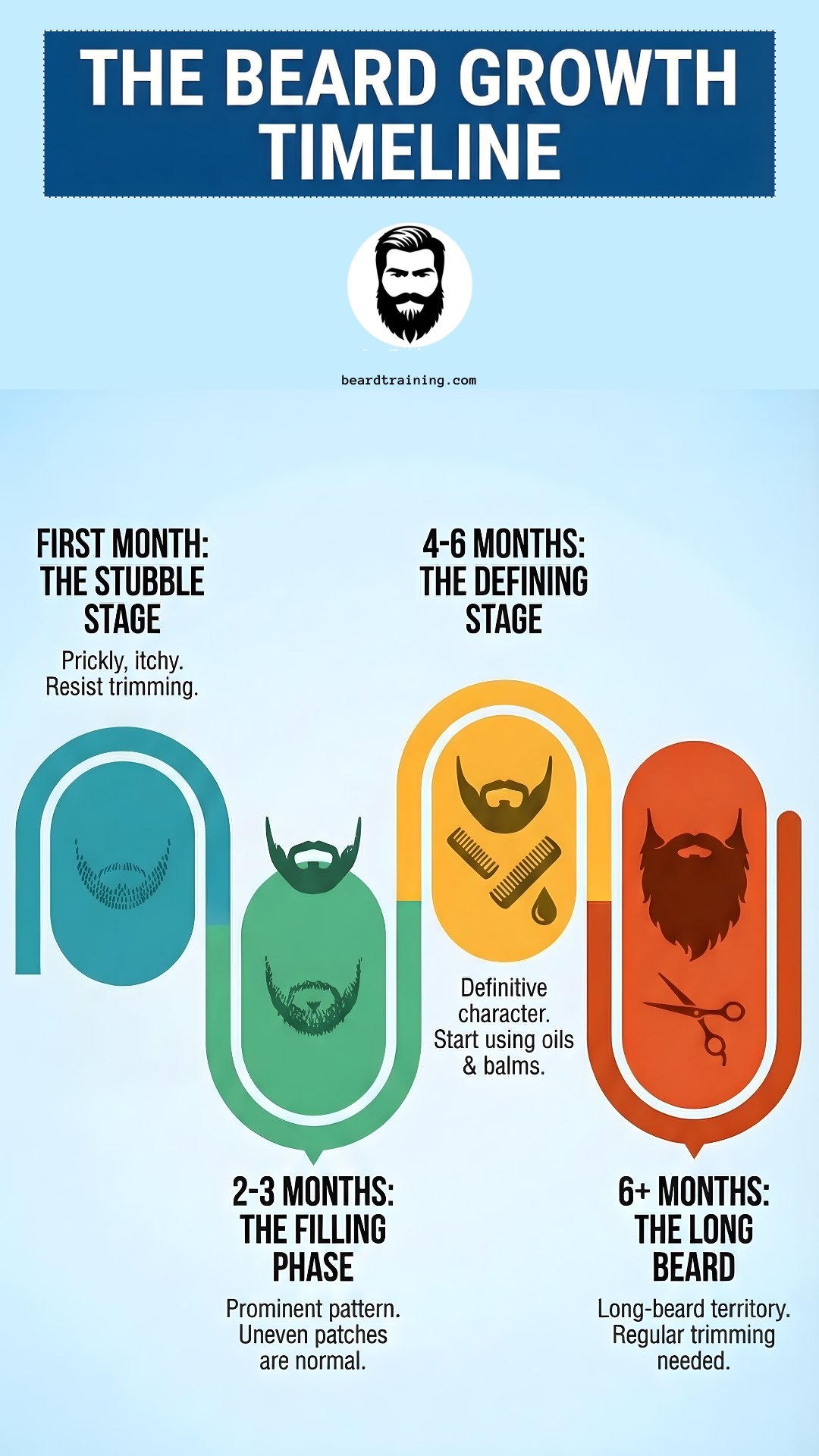
Why your beard at 16 grows slowly (and why it’s normal)
Genetics decides the blueprint
Your genes influence:
-
How sensitive your follicles are to androgens (like testosterone/DHT)
-
Follicle density on cheeks/jaw/neck
-
Hair thickness and curl pattern
-
The age your facial hair “switches on” more strongly
If the men in your family grew fuller beards later, you may follow the same timeline.
Hormones are still ramping up
Teen years are a hormone “build phase.” Facial hair often appears in steps:
-
upper lip fuzz → 2) chin hairs → 3) jawline → 4) cheeks fill in last
So if your cheeks are empty right now, you’re not broken—you’re early.
The biggest beard-growth myths teens still believe
Myth 1: “Shaving makes it grow thicker”
Nope. Shaving cuts hair bluntly, which can look thicker as it grows back, but it doesn’t change follicle count or growth speed.
Myth 2: “Beard oil makes new hair grow”
Beard oil conditions hair and skin. It can reduce dryness and irritation, which helps you stick to a routine—but it doesn’t magically create follicles.
Myth 3: “One supplement will fix everything”
Unless you have a deficiency, supplements are usually a “maybe.” Food, sleep, and consistency are the real drivers.
Myth 4: “Patchy beard means you’ll never grow one”
Most patchiness at 16 is just unfinished development. Many beards fill in over several years.
A safe “grow a beard faster at 16” routine (step-by-step)
This is simple on purpose. Simple is what you’ll actually do.
Step 1: Clean your face the right way (daily)
Morning or night:
-
Wash your face with a gentle cleanser (not harsh body soap).
-
Rinse with lukewarm water (hot water dries skin).
-
Pat dry—don’t rub.
Why it helps: clean skin = fewer clogged follicles, less inflammation.
Step 2: Moisturize (daily)
Use a lightweight, non-comedogenic moisturizer.
If you have early stubble: apply moisturizer and/or 2–4 drops of beard oil to the skin under the stubble.
Step 3: Exfoliate gently (2–3x/week)
Use a gentle exfoliant or a soft washcloth. No aggressive scrubs.
Why it helps: dead skin buildup can make growth look worse and can trigger irritation.
Step 4: Train the hairs you have (1–2 minutes/day)
-
Use a soft brush or comb
-
Brush downward and slightly outward
-
Stop if your skin gets irritated
This doesn’t create new hair, but it makes your beard look more organized and fuller.
Step 5: Don’t over-trim too early (first 4 weeks)
If you’re trying to see your true growth pattern, give it 4 weeks before shaping.
Nutrition for beard growth (what to eat more of)
Think “building materials.” Follicles don’t grow strong hair without fuel.
Protein (hair is built from keratin)
Aim for a protein source at each meal:
-
eggs, chicken, turkey, fish
-
Greek yogurt, milk
-
beans, lentils, chickpeas
Zinc (supports tissue repair and normal hormone function)
Good sources:
-
beef, pumpkin seeds, chickpeas, cashews
Vitamin D (common deficiency)
Sources:
-
sunlight (safe exposure)
-
eggs, fortified foods, fatty fish
Omega-3s (supports skin barrier + inflammation balance)
-
salmon, sardines
-
chia/flax seeds
-
walnuts
Hydration (simple, underrated)
If your lips and skin are dry, your beard area is probably dry too. Drink water consistently throughout the day.
Lifestyle habits that can help facial hair develop
Sleep: the “growth support” nobody wants to hear
Aim for 7–9 hours. Sleep supports recovery and healthy hormone rhythms.
Exercise: great for circulation and stress control
Do a mix of:
-
strength training (even bodyweight)
-
light cardio (walking, cycling)
Stress management (yes, it matters)
High stress can worsen inflammation and skin issues. Keep it basic:
-
daily walk
-
music + stretching
-
breathing for 2 minutes
Beard products: what’s worth it at 16 (and what to skip)
Worth it
-
Gentle face cleanser
-
Light moisturizer
-
Beard oil (only if you have dryness/itch)
-
Soft brush/comb
Not necessary (for most teens)
-
Growth “serums” with big promises
-
Strong exfoliating acids daily
-
Heavy waxes (can clog pores if your skin is acne-prone)
Beard oil vs. beard balm vs. beard wax (what each one does)
Use this table as a quick decision tool.
| Product | Best for | Hold level | Key benefit | Watch out for |
|---|---|---|---|---|
| Beard Oil | Short beards / itchy skin | Low | Softens stubble + moisturizes skin | Too much can look greasy |
| Beard Balm | Medium beards / mild frizz | Medium | Moisture + light shaping | Heavy balms may clog pores on acne-prone skin |
| Beard Wax | Longer beards / styling control | High | Strong hold for shaping | Can feel stiff; buildup if not washed properly |
7 common beard mistakes teens should avoid
-
Shaving repeatedly to “force growth.”
-
Using harsh shampoo on your beard area (dries skin).
-
Picking at acne or ingrown hairs around the beard line.
-
Overusing products (more isn’t better).
-
Not moisturizing (dry skin = itch + flakes).
-
Comparing your timeline to friends (genetics differ).
-
Expecting full cheeks at 16 (many guys don’t have that yet).
What about supplements?
Some teens consider biotin, zinc, or vitamin D. Here’s the safe approach:
-
Food first (best overall).
-
If you want a supplement, ask a parent/guardian and your healthcare provider first, especially if you take any medications.
-
Don’t stack multiple supplements “just because.”
If your beard growth is very delayed and you have other puberty concerns, a doctor can check if anything medical is going on (often it’s completely normal).
When to talk to a dermatologist or doctor
Consider asking for help if you have:
-
Severe itching, redness, or flaking that won’t improve (possible dermatitis) Mayo Clinic Connect
-
Painful bumps, infected ingrowns, or cystic acne in the beard zone
-
Major anxiety about development or signs of hormone imbalance (doctor can reassure you and rule things out)
FAQ: How to grow a beard faster at 16
1) How fast does a beard grow at 16?
It varies a lot. Many teens only grow light stubble. Fuller beards often develop later—late teens through mid-20s.
2) Can I grow a full beard at 16?
Some can, most can’t yet. Cheeks are usually the last to fill in.
3) Does brushing your beard help it grow?
Brushing can improve appearance and help distribute oils. It doesn’t create new follicles, but it can reduce tangles and train direction.
4) Is beard oil safe for teens?
Generally yes in small amounts, especially for dryness/itch. Use a few drops and stop if you break out or get irritation.
5) Will shaving help my beard come in?
No. Shaving doesn’t increase thickness or growth rate.
6) What foods help beard growth the most?
Protein, zinc-rich foods, omega-3s, and vitamin D sources are strong supports—plus hydration.
7) How do I fix a patchy beard at 16?
Don’t fight it—work with it. Keep your neckline clean, try light shaping, and choose styles that suit patchiness (stubble, goatee, chin strap variations).
8) Should I use minoxidil to grow a beard at 16?
Don’t do this without medical supervision. It’s not a “casual teen grooming product,” and you should involve a healthcare professional.
Conclusion: grow what you can—build the rest over time
Growing a beard at 16 is half biology and half discipline. You can’t rush genetics, but you can level up your results by taking care of your skin, fueling your body with the right nutrients, sleeping consistently, and keeping your routine simple enough to stick with. Even a little stubble can look sharp when it’s clean, moisturized, and shaped well. Start your beard journey with patience, confidence, and good habits—and you’ll be surprised how much changes over the next couple of years.
Want more practical guides? Explore more BeardTraining.com routines on grooming, beard care basics, and beginner-friendly styling tips